
Glaucoma — The Silent Thief of Sight. Detected Early. Treated Before It's Too Late.
Glaucoma takes your vision without warning. No pain, no symptoms — just a gradual narrowing of sight until, one day, it is gone permanently. The vision it steals cannot be restored. But with early detection and proper treatment, we can prevent it.
Glaucoma Has No Warning Signs
By the time patients notice these symptoms, significant damage has already occurred
The first thing glaucoma takes — and the last thing patients notice
Usually dismissed as tiredness or needing new glasses
Particularly at night — a sign of raised eye pressure
In acute glaucoma only — most glaucoma has no pain at all
Critical: Vision lost to glaucoma cannot be restored. The only protection is regular screening — especially if you are over 40, diabetic, or have a family history.
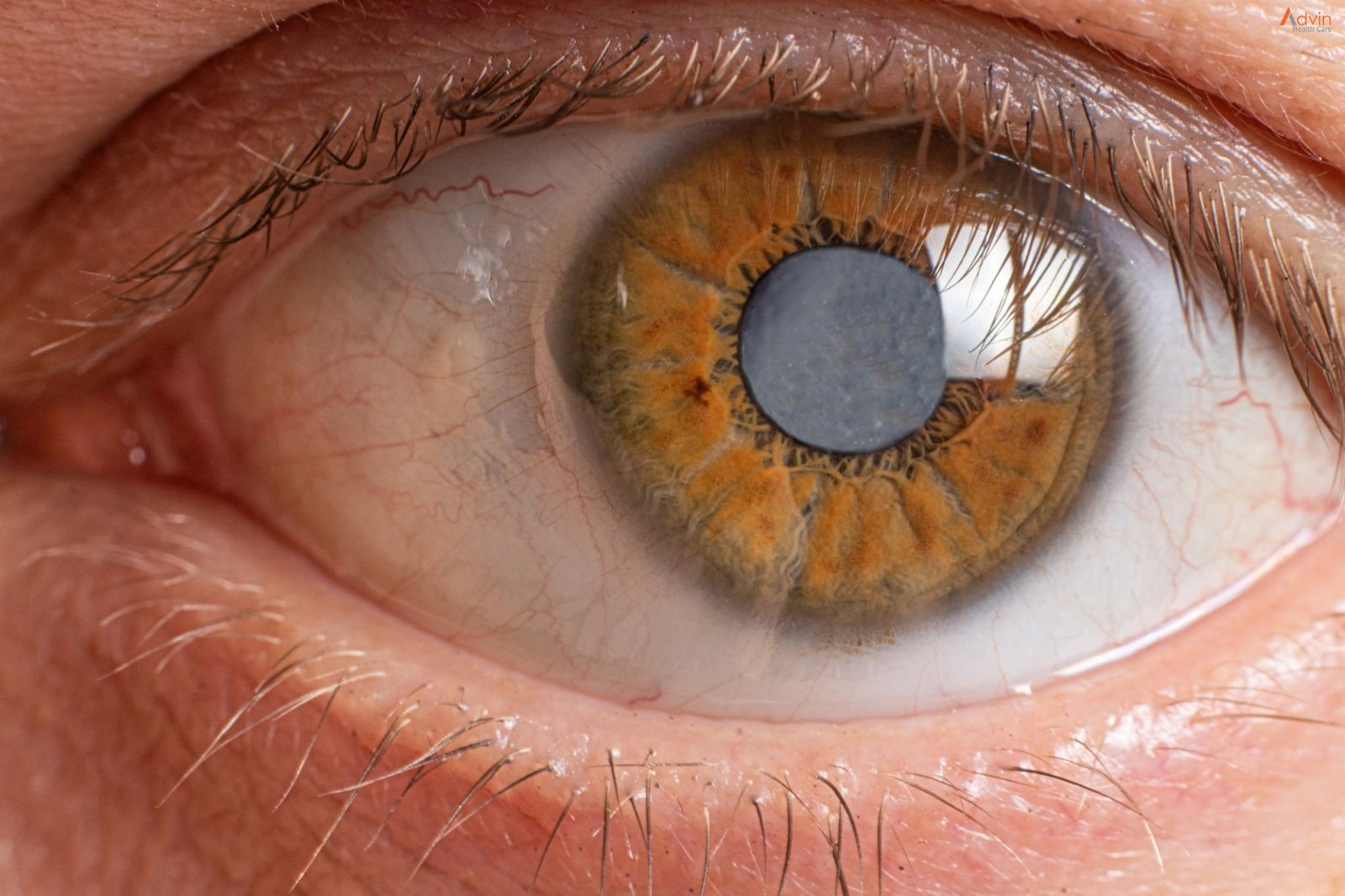
What Is Glaucoma and Why Is It So Dangerous?
Inside your eye, a fluid called aqueous humour is constantly produced and drained. When the drainage system becomes blocked or inefficient, pressure inside the eye rises. This elevated pressure — called intraocular pressure (IOP) — gradually damages the optic nerve, which carries visual information from your eye to your brain.
Once the optic nerve is damaged, the vision it carried is gone permanently. No surgery, no medication can restore it. This is why glaucoma is called the silent thief of sight — by the time you notice the loss, the damage is already done.
The good news: if detected early and treated properly, glaucoma can be controlled and vision loss can be completely prevented. This is why regular eye check-ups matter — especially if you are at risk.
Open-Angle Glaucoma (most common)
Develops slowly and painlessly over years. No symptoms until significant vision is already lost. Accounts for over 90% of all glaucoma cases.
Angle-Closure Glaucoma (acute)
Sudden, dramatic rise in eye pressure. Severe eye pain, nausea, blurred vision, halos. This is a medical emergency — seek treatment immediately.
Normal-Tension Glaucoma
Optic nerve damage occurs despite normal eye pressure. Less understood but equally important to detect and manage carefully.
Secondary Glaucoma
Caused by another eye condition — injury, inflammation, steroid use, or advanced cataract. Treating the underlying cause is part of the management.
You Should Get Screened if Any of These Apply
Glaucoma has no symptoms in its early stages. Screening is the only way to detect it before damage occurs.
Age Over 40
Risk increases significantly after 40. Everyone over 40 should have a glaucoma check as part of their routine eye examination — every 1–2 years.
Family History
If a parent or sibling has glaucoma, your risk is 4–9 times higher than the general population. Screening should begin earlier and happen more frequently.
Diabetes
Diabetes increases the risk of several types of glaucoma. Annual eye examinations including glaucoma screening are essential for all diabetic patients.
High Myopia
People with significant short-sightedness (myopia) are at higher risk of open-angle glaucoma. Regular screening is important regardless of age.
Long-Term Steroid Use
Extended use of steroid eye drops, tablets, inhalers, or nasal sprays can raise eye pressure and increase glaucoma risk significantly.
High Eye Pressure
Elevated intraocular pressure (ocular hypertension) does not always mean glaucoma — but it requires careful monitoring and may need treatment.
Hypertension & Heart Disease
Cardiovascular conditions that affect blood flow can also affect optic nerve health — increasing glaucoma risk, particularly normal-tension glaucoma.
South Asian Ethnicity
People of South Asian descent have a higher prevalence of certain types of glaucoma — including angle-closure glaucoma — compared to other ethnic groups.
Glaucoma Tests We Perform at Sobti Nursing Home
A comprehensive glaucoma check combines several tests. No single test is sufficient on its own.
Tonometry — Eye Pressure Measurement
Measures the intraocular pressure (IOP) with a gentle puff of air or a probe. High pressure is the primary risk factor for glaucoma, though not all glaucoma patients have elevated pressure.
Optic Disc Examination
After dilating drops, Dr. Sobti examines the optic nerve directly. Changes in the disc shape or colour are early indicators of glaucoma damage even before vision is affected.
Visual Field Test (Perimetry)
Maps your complete field of vision including the periphery. Glaucoma damage shows as characteristic blind spots or a narrowing of the visual field — often before the patient notices anything.
OCT — Nerve Fibre Layer Analysis
Optical Coherence Tomography scans the retinal nerve fibre layer with high precision. Can detect glaucoma damage even before visual field changes appear — making early intervention possible.
Gonioscopy — Drainage Angle Assessment
Examines the angle between the iris and cornea where fluid drains from the eye. Essential to distinguish between open-angle and angle-closure glaucoma — as treatment differs significantly.
Corneal Thickness (Pachymetry)
Thin corneas can cause tonometry to underestimate true eye pressure. Pachymetry corrects for this, ensuring accurate pressure readings and proper risk assessment.
How We Treat Glaucoma
The goal of treatment is not to restore lost vision — that is not possible. The goal is to stop further damage and preserve the vision you have for life.
Eye Drops (Medication)
Most glaucoma is managed with daily eye drops that lower intraocular pressure. Several classes of drops are available — Dr. Sobti will prescribe the most appropriate one with minimal side effects for your situation.
YAG Peripheral Iridotomy(YAG PI)
YAG Peripheral Iridotomy is a quick laser procedure used to treat and prevent angle-closure glaucoma by creating a tiny opening in the iris, allowing fluid to flow more freely within the eye.
Glaucoma Surgery
When drops and laser are insufficient to control pressure, surgery creates a new drainage pathway. Modern techniques are safer and more effective than ever, with excellent long-term outcomes.
Important: Glaucoma treatment is lifelong. It is not a cure — it is control. Regular follow-up appointments are as important as the treatment itself. Dr. Sobti will monitor your pressure and optic nerve at every visit.
Glaucoma Care by an AIIMS-Trained Specialist
Glaucoma management requires more than prescribing eye drops. It requires careful monitoring, individualised treatment decisions, and long-term commitment. Dr. Amit Sobti brings AIIMS training to every glaucoma case in Kurukshetra.
Subspecialty training in glaucoma diagnosis and management at India's premier institution.
OCT, visual field testing, pachymetry, gonioscopy — all available at our Kurukshetra clinic for a complete glaucoma workup.
Glaucoma requires lifelong follow-up. We schedule and track every patient's monitoring visits to ensure pressure stays controlled and the optic nerve stays stable.
Glaucoma treatment including surgery is covered under ECHS for eligible patients. We handle all paperwork.
Glaucoma — Common Questions
Protect Your Vision Before It's Too Late
Glaucoma has no symptoms until significant vision is already lost. A simple, painless screening at Sobti Nursing Home could protect your sight for life.